Newsletter Subscribe
Enter your email address below and subscribe to our newsletter
Enter your email address below and subscribe to our newsletter


 ByJohn A
Automated databases standardize data quality, governance, and timeliness across the organization. They reduce errors, enable consistent cross-system reporting, and provide auditable data lineage. By automating workflows, they lower operating costs and improve resource efficiency. Real-time analytics highlight bottlenecks and shrink cycle times, strengthening compliance and risk controls. For executives, these systems offer measurable, defensible gains while preserving strategic flexibility. The next question is where to start and how to measure impact.
Automated databases improve data quality by enforcing consistency, accuracy, and timeliness across organizational data. They support data cleansing processes that remove duplicates and errors, while data normalization standardizes formats and units for reliable cross-system comparisons. This disciplined approach enhances decision confidence, reduces risk, and accelerates analytics initiatives, aligning data governance with strategic freedom and measurable, defensible outcomes.
Automation reduces operating expenses and accelerates throughput by standardizing processes, eliminating manual handoffs, and enabling scalable resource utilization. The approach enables data governance-informed decisions, leveraging real time analytics to identify bottlenecks, optimize workflows, and reduce cycle times. It aligns automation investments with strategic outcomes, delivering measurable efficiency gains, cost containment, and freedom to reallocate resources toward high-value initiatives through disciplined, data-driven governance.
How does automation strengthen governance and oversight across complex operations? Modern systems enforce uniform controls, audit trails, and continuous monitoring, aligning regulatory demands with operational reality.
The approach supports compliance governance by standardizing processes and evidence collection, while risk automation identifies anomalies, accelerates remediation, and reduces manual bias.
Executives gain clarity, speed, and defensible risk postures without sacrificing autonomy.
Decision speed across sales, marketing, and operations hinges on timely, reliable data and aligned workflows. Automated databases empower cross-functional teams to act on consistent signals, reducing latency and misalignment. Clear data governance ensures accountability, while data lineage traces origins and transformations, supporting auditability and trust. Executives gain actionable insights, enhancing strategy with speed, precision, and freedom to pursue opportunities.
Automated databases strengthen access control by enforcing consistent authentication, role-based permissions, and streamlined onboarding. They support permission auditing, quickly identifying anomalies, enabling executives to balance security with freedom, optimize policy changes, and reduce operational risk across users.
A recent 28% uplift in decision speed hints automation enhances data storytelling and insight visualization. It enables faster narrative construction, clearer dashboards, and strategic freedom, empowering executives to act decisively with data-driven confidence and scalable storytelling.
The environmental footprint of automated data processes hinges on energy efficiency and hardware lifecycle management; data processing sustainability depends on optimized workloads, scalable infrastructure, and renewables. Strategically, executives should monitor consumption, pursue compression, and reduce idle-resource waste for freedom-focused operations.
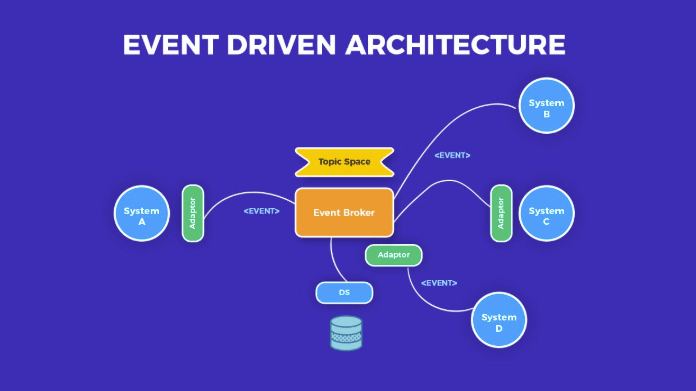
Executives note that automated databases reduce integration latency by up to 70% as they interface with legacy systems, though schema migration remains critical; strategic orchestration minimizes disruption and accelerates data-driven decision cycles across heterogeneous environments.
Staff require targeted training requirements focused on tool usage, governance, and data security, while adoption strategies emphasize measurable milestones, ongoing support, and executive dashboards. This approach ensures rapid adoption, data-driven decisions, and organizational freedom within compliant frameworks.
Automated databases deliver disciplined data delivery and dependable decision-making. By binding broader business benefits with baseline accuracy, they bolster better benchmarks, faster feedback, and firmer forecasts. Through consistent controls, continuous checks, and transparent lineage, operations optimize outcomes while risk remains restrained. With scalable systems supporting sales, marketing, and operations, executives empower evidence-based choices, elevate efficiency, and enhance earnings. Strategic stewardship, steady statistics, and synchronized success solidify sustainable success through automated data governance and decisive, data-driven leadership.